
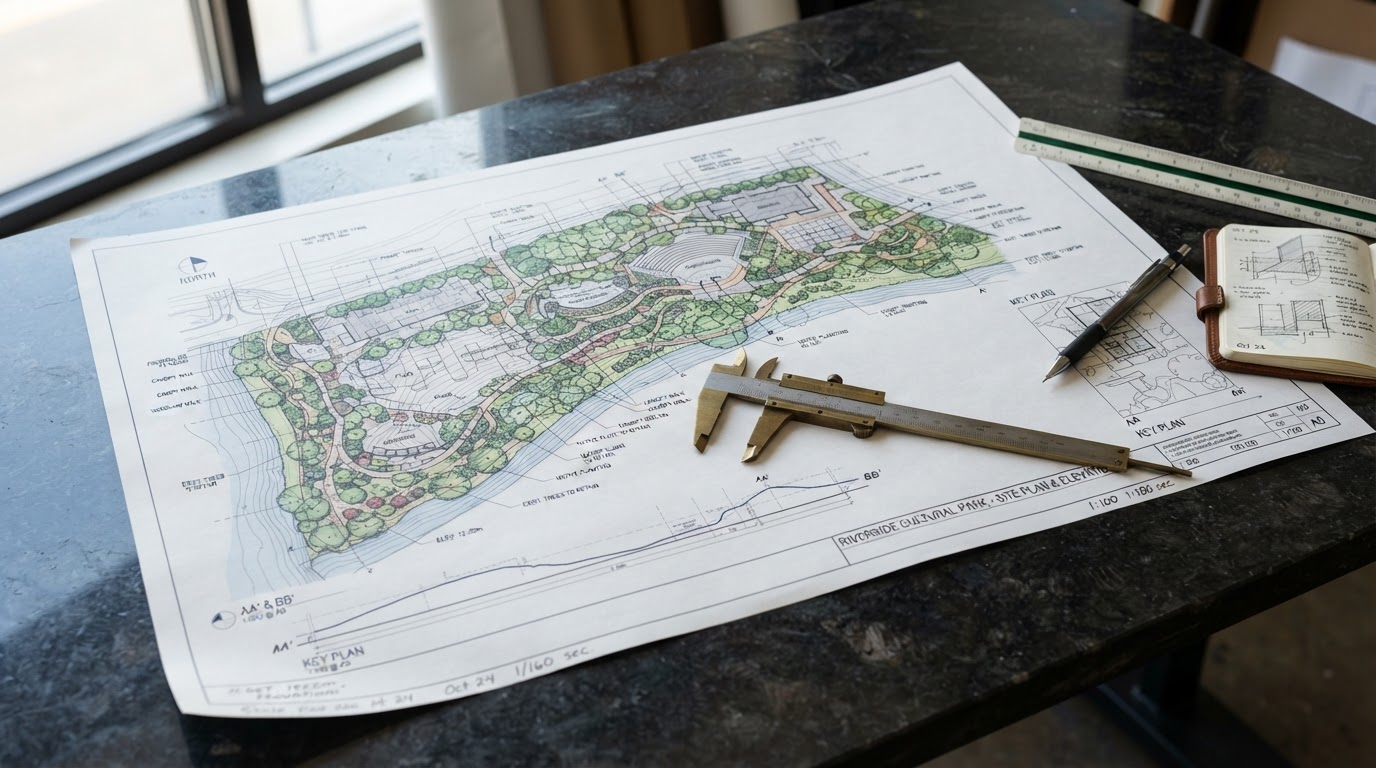
How HOA Boards Can Plan and Defend an Annual Landscape Budget
A step-by-step budget framework for HOA boards, from reserve study to renewal.
Key Takeaways
- A good annual budget starts with the reserve study and ends with a defensible plan.
- Break the budget into routine maintenance, seasonal work, and reserves for replacement.
- Get multiple bids and present them clearly so the board can make an informed decision.
How HOA Boards Can Plan and Defend an Annual Landscape Budget
An HOA landscape budget is one of the largest line items in a community's annual budget. Planning it well keeps dues stable and the property looking right. Defending it well keeps the board and the residents aligned.
The budget is not just a number. It is a plan for what gets done, when, and why.
Where Do You Start?
Start with the reserve study. The reserve study lists the major components of the property and their expected lifespan and replacement cost.
The landscape reserve typically includes trees, irrigation systems, common area hardscape, and structures like fences or gates.
How Do You Break Down the Budget?
Break the budget into three parts. Routine maintenance, seasonal work, and reserves. Each part serves a different purpose.
Routine keeps the property looking right day to day. Seasonal handles the cycles. Reserves prevent special assessments when something big needs replacing.
How Do You Estimate Routine Maintenance?
Get bids from at least three firms for the same scope of work. Use the Scope Builder to create a clear scope so the bids are comparable.
The lowest bid is not always the best. Look at what is included, the performance standards, and the firm's track record.
How Do You Plan Seasonal Work?
List the seasonal work that happens every year. Spring cleanup, mulch refresh, leaf removal, and any seasonal color rotation.
Seasonal work is predictable. Plan it, get bids for it, and include it in the annual budget.
How Do You Handle Reserves?
The reserve study tells you what needs replacing and when. Fund the reserve monthly so the money is there when the work is needed.
A well-funded reserve keeps dues stable and the property maintained.
How Do You Present the Budget to the Board?
Present the budget in three parts: routine, seasonal, and reserves. Show the bids you received and how you compared them. Explain what is included and what is not.
A clear presentation is easy to defend. Vague budgets invite questions and conflict.
How Do You Defend the Budget to Residents?
Explain what the budget pays for and what it protects. Routine maintenance keeps the property looking right, which protects home values. Reserves prevent special assessments.
Use the Budget Planner tool to build a clear budget checklist you can share.
Frequently Asked Questions
What is a reserve study and why does it matter?
A reserve study lists the major components of the property and their expected lifespan and replacement cost. It is the foundation of a defensible budget.
How much should we budget for landscape reserves?
It depends on the property. The reserve study tells you what needs funding. A well-funded reserve keeps dues stable and prevents special assessments.
Should we get bids every year?
Get full bids every one to two years. Get a price confirmation each year. This keeps the firm accountable.
How do we handle a budget increase?
Explain what is driving the increase and what it protects. Show the bids and the comparison.
What if the lowest bid is much lower than the others?
Be suspicious. A bid much lower often skips work or cuts corners. Compare what is included.
Keep Reading
Plan your project
Use the Project Planner to get a plan outline for your project type, with steps and questions to ask.
Start Your Plan