
How to Choose Plants That Survive Your Climate Without Wasting Money
The right plant in the right spot lasts for years. The wrong one dies by the second season. Here is how to pick plants that fit your climate, your soil, and your yard.
Key Takeaways
- Your climate zone is the first filter. A plant that cannot handle your winter or your summer will not last, no matter how much you water it.
- Right plant, right place means matching the plant to the sun, the soil, and the water in that exact spot, not just the yard overall.
- Native and adapted plants need less water, fewer chemicals, and less maintenance, which saves money and time over the life of the landscape.
- Mature size matters more than the size at planting. A plant that fits today may crowd the house, the walkway, or the fence in five years.
How to Choose Plants That Survive Your Climate Without Wasting Money?
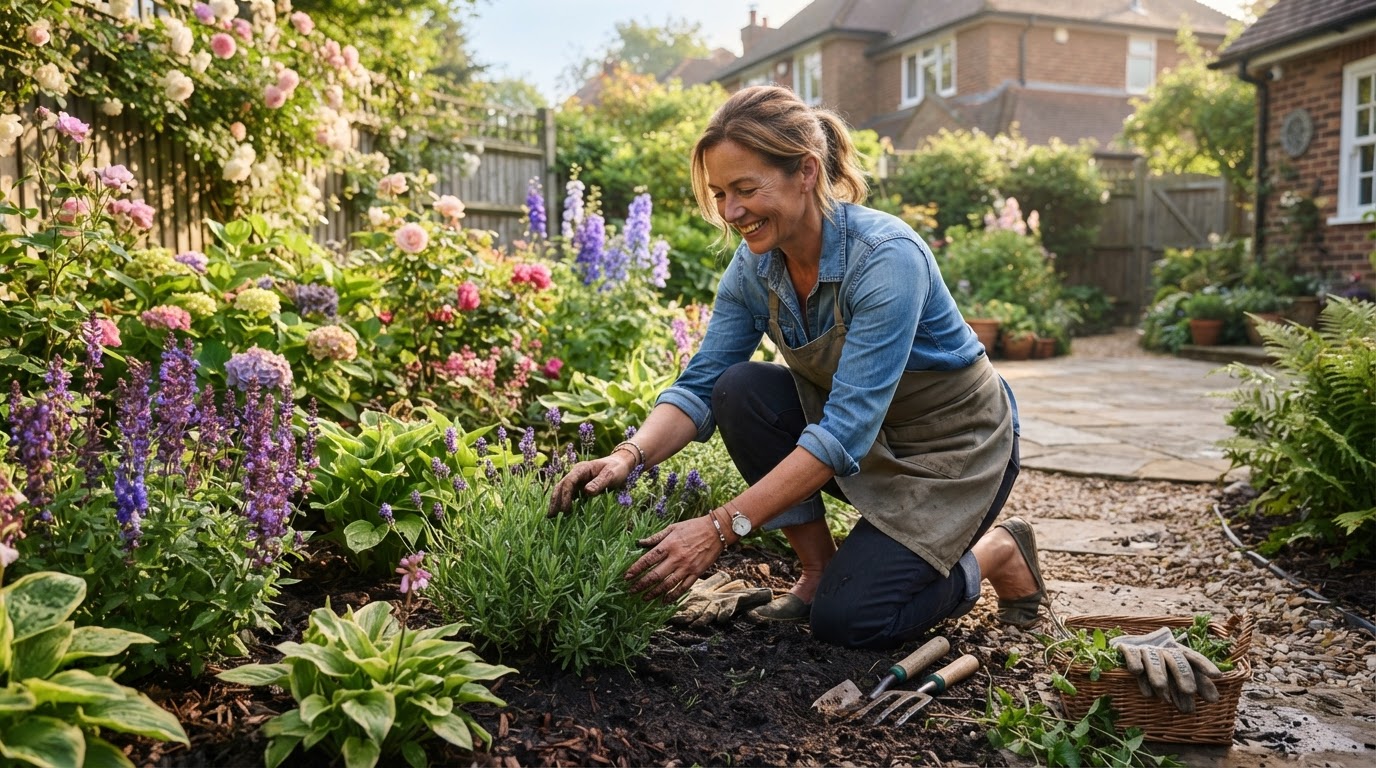
Choosing plants that survive your climate is not about picking the prettiest plant at the garden center. It is about matching the plant to the conditions where it will live. A plant that belongs in your climate zone, your soil type, and your sun exposure is a plant that settles in and grows. A plant that does not belong is a plant that struggles, costs money to keep alive, and dies the season you stop trying. The right choice is the one that thrives without a fight, and that choice starts with your climate.
The money wasted on the wrong plants is not just the cost of the plant. It is the water, the fertilizer, the replacement, and the time spent coaxing a living thing to live where it does not belong. A landscape full of plants that belong in your climate costs less to install, less to maintain, and lasts longer. The landscape full of plants that do not belong is the one that looks great for a season and tired for the rest. The climate is the filter that decides which one you get.
What Is a Climate Zone and Why Does It Matter?
A climate zone, or hardiness zone, is a map that divides regions by the average lowest winter temperature. The lower the number, the colder the winter. A plant rated for your zone or a colder one can survive your winter. A plant rated for a warmer zone may not. The zone is not the whole story, because two yards in the same zone can have different microclimates, but it is the first filter. A plant outside your zone is a gamble, and the house usually loses.
Heat matters too. A plant that survives your winter may cook in your summer, especially in a hot, dry climate. The American Horticultural Society also publishes heat-zone maps that account for the number of days above a certain temperature. A plant that handles both your cold and your heat is a plant that lasts. A plant that handles only one is a plant that dies in the other season.
How Do You Match a Plant to Its Spot?
Right plant, right place means matching the plant to the conditions in the exact spot where it will grow, not just the yard overall. A spot that gets full sun all day needs a sun plant. A spot under a tree needs a shade plant. A spot that stays wet needs a plant that tolerates wet feet. A spot that drains fast and dries out needs a plant that tolerates drought. The plant that matches the spot settles in. The plant that does not match the spot struggles, and a struggling plant is an expensive plant.
Check the sun, the soil, and the water before you pick the plant. Walk the yard at different times of day and note where the sun hits and where the shade falls. Test the soil for drainage, because clay soil holds water and sandy soil drains fast. Note where water pools after rain and where it does not. The plant you choose should fit the sun, the soil, and the water in that spot, or it will not thrive no matter how much you spend on it.
Why Choose Native and Adapted Plants?
Native plants evolved in your climate, which means they are built for your winters, your summers, your soil, and your rainfall. They need less water, less fertilizer, and fewer pest treatments, because they are already at home. Adapted plants are not native but come from a similar climate, and they share the same advantages. The landscape that leans on native and adapted plants is the landscape that costs less to keep alive and looks better over time, because the plants are not fighting the conditions.
The savings add up. A yard of thirsty, climate-mismatched plants can double or triple the water bill in a dry summer. A yard of native plants often needs no irrigation after it is established. The fertilizer, the pest control, and the replacement costs follow the same pattern. The native landscape is the one that pays you back, because the maintenance drops as the plants mature. The mismatched landscape is the one that costs more every year, because the plants never stop needing help.
How Do You Plan for Mature Size?
The plant you buy at the garden center is a baby. The plant it becomes in five or ten years is the plant that lives in your yard. A shrub that is two feet wide today may be six feet wide at maturity, and if you planted it three feet from the walkway, it will cover the walkway. A tree that is eight feet tall today may be thirty feet tall and twenty feet wide, and if you planted it under the power line, it will be a problem. Mature size is the number that matters, not the size at planting.
Look up the mature height and spread of every plant before you buy it, and space the plants for that size, not the size today. The yard will look sparse for the first season, which is normal and temporary. The yard that is planted for mature size fills in over a few seasons and looks right for decades. The yard that is planted for the size today looks full for one season and crowded for the rest, because the plants grow into each other and into the house, the fence, and the walkway.
How Do You Avoid the Common Planting Mistakes?
The most common mistake is planting for the first season instead of the long term. The yard that looks full on day one is the yard that is overgrown in three years, because no one planned for the mature size. The second is ignoring the soil, because a plant in the wrong soil will not thrive no matter how much water and fertilizer you pour on it. The third is mixing plants with different water needs in the same bed, which means one plant is always too dry or the other is always too wet.
The fix is a plan. Start with the climate zone, then the spot, then the plant. Group plants with similar water and sun needs together, so you are not watering a whole bed to keep one thirsty plant alive. Leave room for mature size, and accept that the yard looks sparse for a season. Choose plants for the conditions, not the color, because a plant that belongs in the spot will look better for longer than a plant that does not. The plan is what turns a planting into a landscape that lasts.
Frequently Asked Questions
How do I find my climate zone?
Use the USDA Plant Hardiness Zone Map, which is available online for free. Enter your ZIP code and it gives you your zone. Most plant tags list the zones the plant can handle. Match the plant to your zone, or a colder one, and you have your first filter.
Are native plants always the right choice?
Native plants are a strong default, because they are built for your climate. But adapted plants from similar climates can also work well. The key is matching the plant to your conditions. A native plant in the wrong spot will still struggle, so the spot matters as much as the origin.
How much water will the right plants save?
It depends on your climate and your yard, but a landscape of climate-appropriate plants can cut water use dramatically, especially in dry regions. Native plants often need no irrigation after they are established, which is a season or two. The savings show up in the water bill and the time spent watering.
What if I already planted the wrong plants?
You can replace them over time, starting with the ones that are struggling the most. Move the plants that are in the wrong spot but still healthy, if the spot they need is available. Replace the ones that are too far gone. A phased replacement is less disruptive and less expensive than a full redo.
Should I hire a designer to choose the plants?
A designer or a landscape professional who knows your region can save you the trial and error, because they know which plants thrive locally and which do not. The cost of a planting plan is often less than the cost of replacing the plants that fail. The plan is the investment that prevents the waste.
Keep Reading
Plan your project
Use the Project Planner to get a plan outline for your project type, with steps and questions to ask.
Start Your Plan