
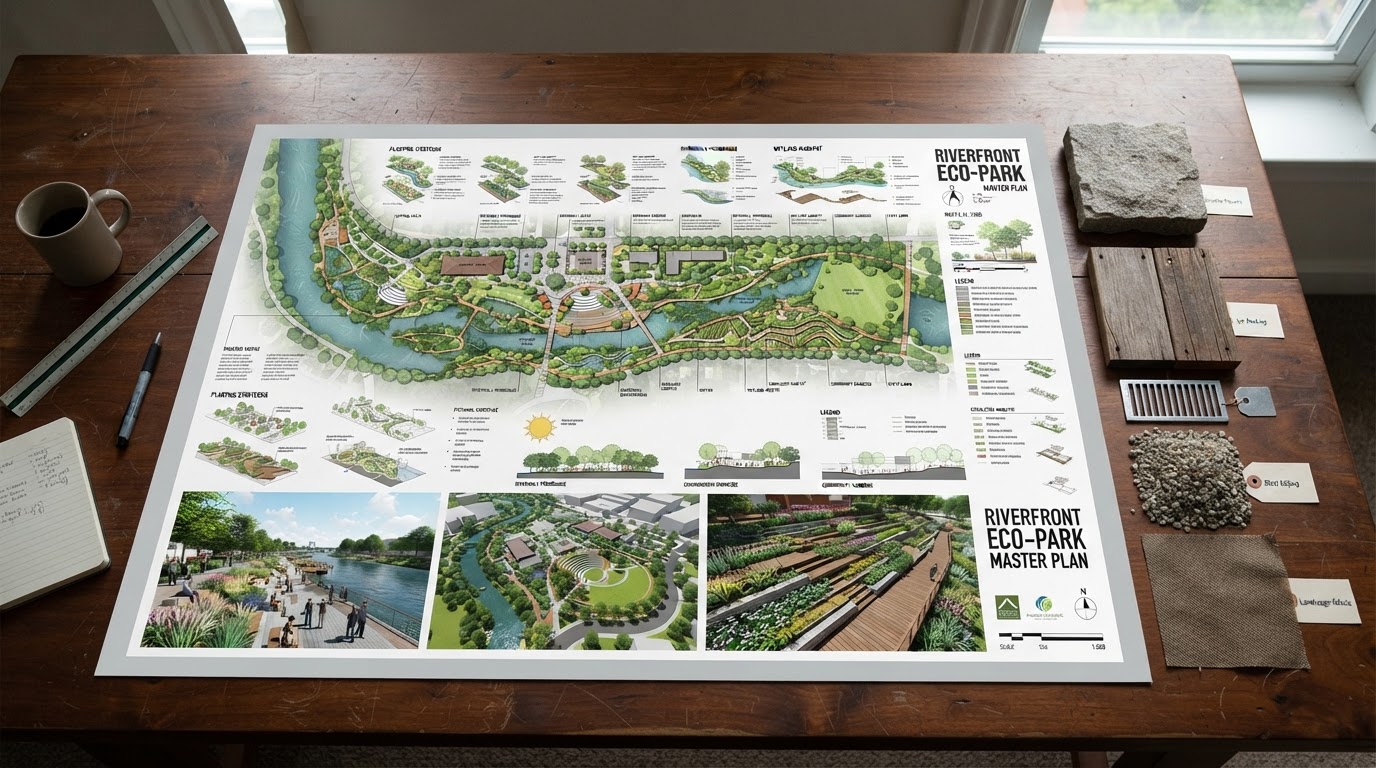
Pavers, Natural Stone, or Concrete: How to Choose a Patio Material
Each patio material has a trade-off between cost, upkeep, and looks. Here is how to weigh them.
Key Takeaways
- Pavers, natural stone, and concrete each have a different balance of cost, upkeep, and looks.
- Concrete is the cheapest, pavers are the most flexible, and natural stone is the most premium.
- Choose the material that matches how long you want it to last and how much upkeep you accept.
Pavers, Natural Stone, or Concrete: How to Choose a Patio Material
Your patio material is one of the most visible decisions in an outdoor project. It sets the look, the feel, and the upkeep for years. The three main options are concrete pavers, natural stone, and poured concrete.
There is no single right answer. The best material depends on your budget, your style, and how much maintenance you are willing to do.
What Are Concrete Pavers?
Concrete pavers are manufactured units made from concrete and aggregate. They come in a wide range of colors, shapes, and textures. They are installed over a prepared base with sand or mortar joints.
Pavers are flexible, meaning they can move slightly with the ground without cracking. If one paver is damaged, it can be replaced individually.
What Is Natural Stone?
Natural stone is quarried material like flagstone, bluestone, travertine, or limestone. It is the most premium patio material. No two pieces are exactly alike, which gives it a richness that manufactured products cannot match.
Natural stone costs more than pavers or concrete, both for the material and for the skilled labor required to install it. It also lasts longer.
What Is Poured Concrete?
Poured concrete is a single slab cast on site. It is the cheapest patio material per square foot. It can be colored, stamped, or textured to look like stone or pavers.
Concrete cracks. Every slab does. Control joints help manage where it cracks, but they do not prevent it. In freeze-thaw climates, concrete needs more maintenance.
How Do You Compare the Costs?
Concrete is the cheapest upfront. Pavers cost more than concrete but less than natural stone. Natural stone is the most expensive, both for the material and the installation.
Over time, the cheapest upfront can cost more if it needs repairs sooner. Factor in lifespan and maintenance, not just the initial price.
How Do You Compare the Upkeep?
Pavers need occasional re-leveling and joint sand replacement. Natural stone needs sealing and cleaning. Poured concrete needs sealing and crack repair, especially in cold climates.
If you want the lowest maintenance, natural stone done right lasts longest with the least upkeep.
How Do You Compare the Look?
Concrete can look clean and modern but rarely looks premium. Pavers offer the widest range of colors and patterns. Natural stone has a depth and variation that no manufactured product matches.
Your style preference should drive the choice.
Which Material Is Right for You?
If budget is the priority, poured concrete works. If you want a balance of cost, looks, and flexibility, pavers are the best choice. If you want the most premium, longest-lasting material, natural stone is the answer.
The installation matters as much as the material. A good base and proper drainage make any material last.
Frequently Asked Questions
Do pavers crack like concrete?
Pavers can shift or settle over time, but they do not crack the way a poured slab does. Individual pavers can be replaced if damaged.
Does natural stone need sealing?
Yes, most natural stone patios benefit from sealing to protect against stains and weathering. Plan to reseal every few years.
Is stamped concrete a good alternative to stone?
Stamped concrete can mimic the look of stone at a lower cost, but it does not match the depth or the lifespan of real stone. It also cracks like any concrete slab.
Which material is best for freeze-thaw climates?
Pavers and natural stone handle freeze-thaw better than poured concrete because they move with the ground instead of cracking.
Can I mix materials on one patio?
Yes. Many high-end projects combine materials, like a natural stone border with paver infill. A good designer can make it work.
Keep Reading
Plan your project
Use the Project Planner to get a plan outline for your project type, with steps and questions to ask.
Start Your Plan