
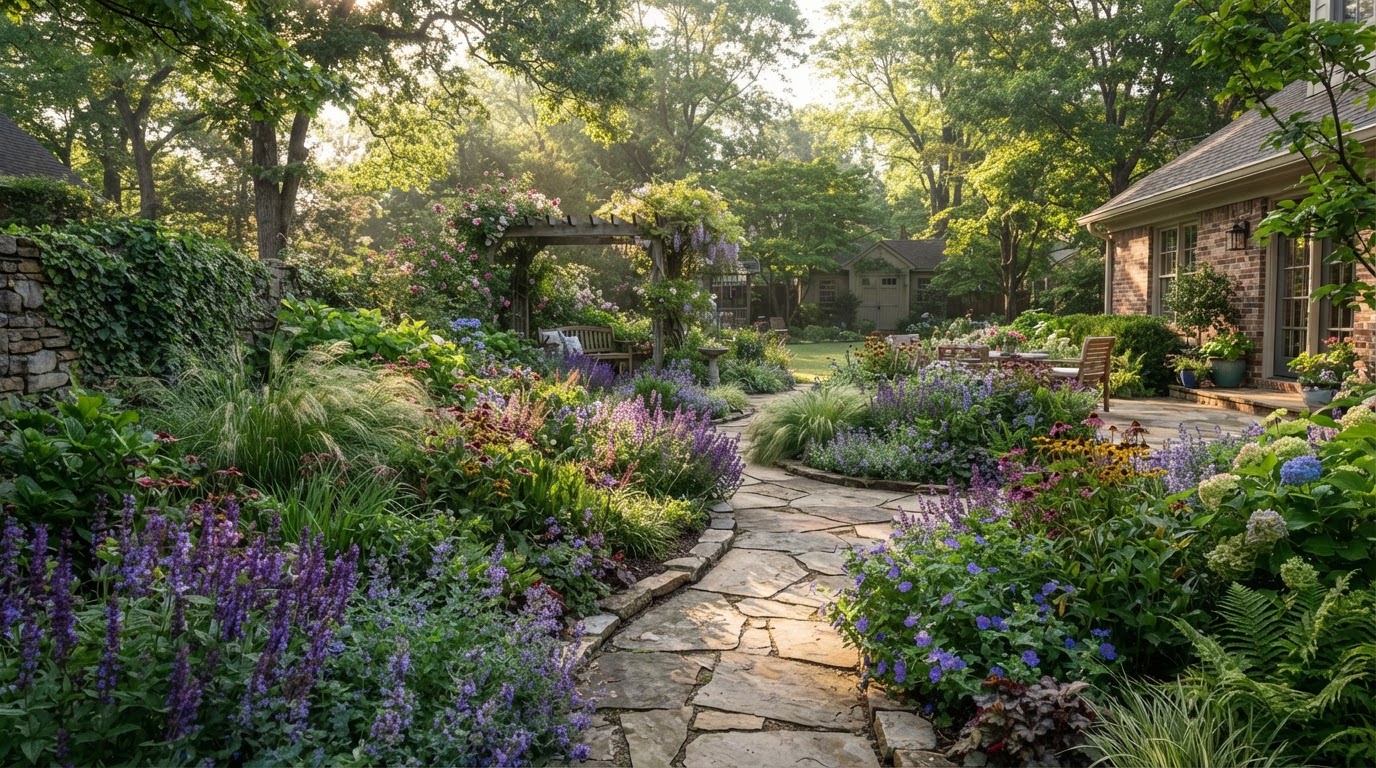
How to Build a Raised Garden Bed That Lasts for Years
A raised bed is the easiest way to grow food and flowers in a yard with poor soil. Here is how to build one with the right materials, the right size, and the right spot so it lasts.
Key Takeaways
- The material you choose decides how long the bed lasts. Cedar and stone outlast pine and untreated wood by years.
- Size matters more than shape. A bed wider than four feet is hard to reach across, and one deeper than it is wide wastes soil.
- The spot needs six to eight hours of sun for most vegetables, and a level surface so water does not pool on one side.
- A weed barrier at the base and a quality soil mix are what separate a bed that produces for years from one that struggles after one season.
How to Build a Raised Garden Bed That Lasts for Years?
A raised garden bed is a simple project with a long payoff. It lets you grow food and flowers in soil you control, in a spot you choose, without fighting the poor soil that may already be in your yard. A bed built right lasts for years and produces season after season. A bed built wrong rots, splits, and falls apart after one or two, which is the difference between a garden that pays you back and one that costs you money. The build is not hard, but the choices matter, because the material, the size, the spot, and the soil are what decide whether the bed lasts.
The goal is a bed that holds its shape, drains well, and gives the plants the depth and the soil they need. The bed that does all three is the bed that produces. The bed that misses one is the bed that struggles, and a struggling bed is the one that gets abandoned after a season. The choices below are the ones that make the difference, and none of them require a contractor to get right.
What Material Should You Use for a Raised Bed?
The material is the single biggest factor in how long the bed lasts. Cedar is the standard for a reason. It resists rot naturally, holds up to ground contact for five to ten years, and looks good doing it. Stone, brick, and concrete block last indefinitely, but they cost more and take more skill to build. Pine and other untreated softwoods are cheap, but they rot in two to four years, which makes them a false economy. Treated lumber lasts longer, but many gardeners avoid it for food beds because of the chemicals, which is a personal choice worth weighing.
The choice comes down to budget and lifespan. A cedar bed is the balance most homeowners land on, because it lasts long enough to pay back the effort and the cost without the permanence of stone. A stone bed is for the homeowner who wants it to last forever and is willing to invest in it. A pine bed is for the homeowner who wants to try gardening for a season and is willing to rebuild if it sticks. There is no wrong answer, but the lifespan should match the commitment, or the bed becomes a chore instead of a garden.
What Size Should a Raised Bed Be?
The size is about reach and depth, not square footage. A bed wider than four feet is hard to reach across without stepping in, and stepping in compacts the soil and defeats the purpose of the raised bed. A bed four feet wide is the standard, because most adults can reach the center from either side. The length is flexible, but eight to twelve feet is common, because longer beds are harder to keep level and to fill. The depth should be at least ten to twelve inches for most vegetables, and deeper for root crops like carrots and potatoes.
The height is a comfort choice as much as a growing one. A bed ten inches tall is the minimum for most plants. A bed eighteen to twenty-four inches tall is easier on the back and lets you grow deeper-rooted crops, but it takes more soil and costs more to build. The bed that is the right height for the gardener is the bed that gets used, because the bed that hurts the back is the bed that gets neglected. Match the height to the person, not just the plant.
Where Should You Put a Raised Bed?
The spot needs sun, level ground, and access. Most vegetables need six to eight hours of direct sun, so watch the yard for a day and note where the sun falls. A bed in shade will not produce, no matter how good the soil is. The ground should be level, because a bed on a slope will have one side too dry and the other too wet, and the soil will wash out of the low side over time. If the only spot is a slope, level it first or build a stepped bed, because a tilted bed is a bed that fights itself.
Access matters more than people expect. A bed near a water source is a bed that gets watered. A bed at the far end of the yard is a bed that gets skipped on the days you are tired. A bed near the kitchen door is a bed that gets harvested, because the herbs you use every day are the ones you walk past. Put the bed where you will see it and use it, because the bed you forget is the bed that fails.
How Do You Fill a Raised Bed the Right Way?
The soil is what the plants grow in, and it is the part most people get wrong. Do not fill the bed with dirt from the yard, because that is the poor soil you built the bed to avoid. Use a mix of quality topsoil, compost, and aeration material like perlite or vermiculite. A common mix is one-third each of topsoil, compost, and aeration, which drains well, holds moisture, and feeds the plants. The bed that is filled with the right mix is the bed that produces. The bed that is filled with yard dirt is the bed that disappoints.
A weed barrier at the base is worth the step. Lay cardboard or landscape fabric over the ground before you fill the bed, to block the weeds and grass that would otherwise grow up through the soil. The barrier breaks down over time, but by then the bed is established and the weeds below have given up. Skip the barrier and you will fight weeds from below for the life of the bed, which is the fight that makes people quit gardening.
How Do You Keep a Raised Bed Producing Year After Year?
A raised bed is not a one-time build. It is a living system that needs a little care each season to keep producing. Top the bed with an inch or two of compost every spring, to replace the nutrients the plants used and the soil that settled. Rotate the crops, so the same plant is not in the same spot every year, which prevents the buildup of pests and diseases. Water deeply and less often, which encourages deep roots, instead of shallow and often, which encourages shallow roots that dry out.
The bed that is cared for produces for years. The bed that is ignored produces for one season and then declines, because the soil is exhausted and the structure is failing. The care is small, a few hours a season, but it is the difference between a bed that is an asset and a bed that is a burden. The raised bed is one of the few yard projects that pays you back, but only if you treat it as the living thing it is.
Frequently Asked Questions
How long does a cedar raised bed last?
A cedar raised bed in ground contact typically lasts five to ten years. The part below the soil line rots first. You can extend the life by lining the inside with a weed barrier, which slows the moisture contact. Stone and concrete beds last indefinitely, and pine beds last two to four years.
Can I put a raised bed on concrete or a patio?
Yes, but you need drainage. A bed on a solid surface needs a layer of gravel at the bottom and drainage holes, or the water will pool and drown the roots. The bed also needs to be deeper, because the roots cannot go down into the soil below. A bed on concrete works, but it takes more attention to water and drainage.
How deep should a raised bed be for vegetables?
Ten to twelve inches is enough for most vegetables, including tomatoes, peppers, and greens. Root crops like carrots and potatoes need sixteen to eighteen inches, because the root grows down. A bed that is too shallow stunts the root crops, which is the only case where depth limits what you can grow.
Do I need to line my raised bed?
A weed barrier at the base is worth it, to stop weeds from growing up. Lining the sides is a choice based on material. Cedar does not need a liner. Pine benefits from one, to slow the rot. Treated lumber does not need one. The liner is a small step that extends the life of the bed, especially for wood that is not naturally rot-resistant.
Should I hire someone to build a raised bed?
A raised bed is a common do-it-yourself project, because the build is simple and the cost is low. A homeowner who is comfortable with basic tools can build a cedar bed in an afternoon. If you want stone or a custom design, or if you want a set of beds integrated into a larger landscape, a landscape professional can build it to last and to fit the yard.
Keep Reading

Plan your project
Use the Project Planner to get a plan outline for your project type, with steps and questions to ask.
Start Your Plan